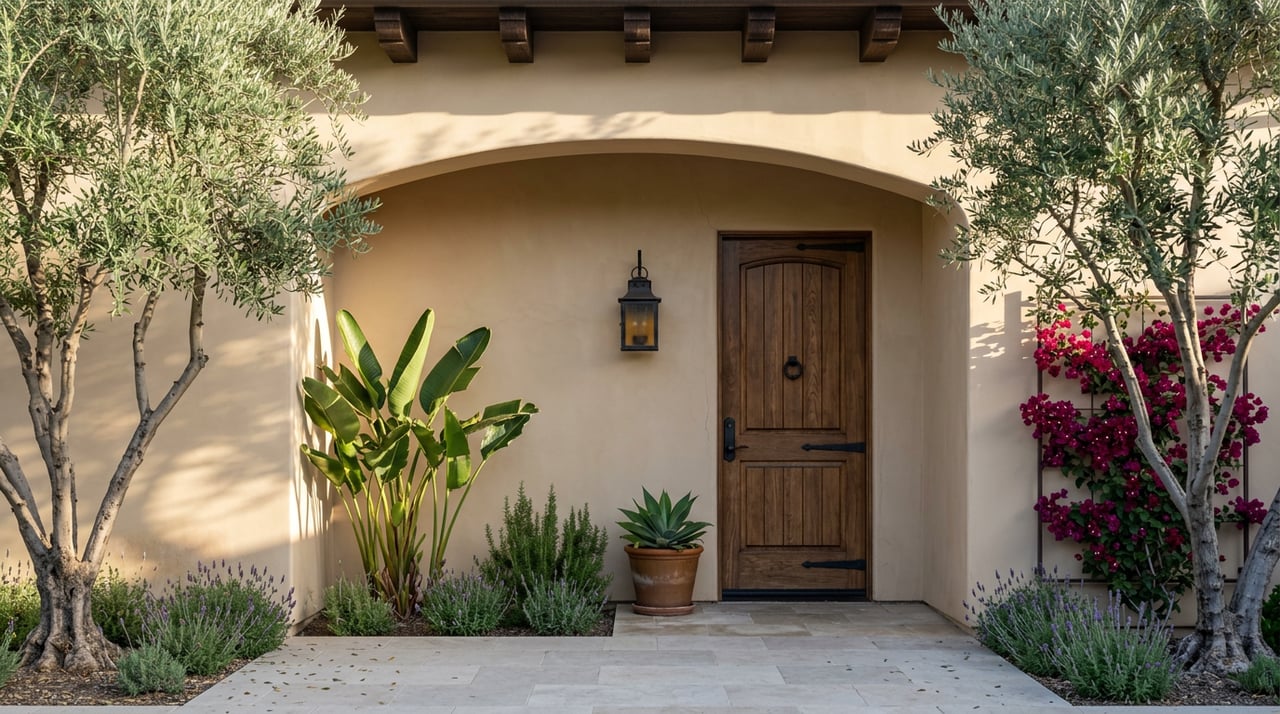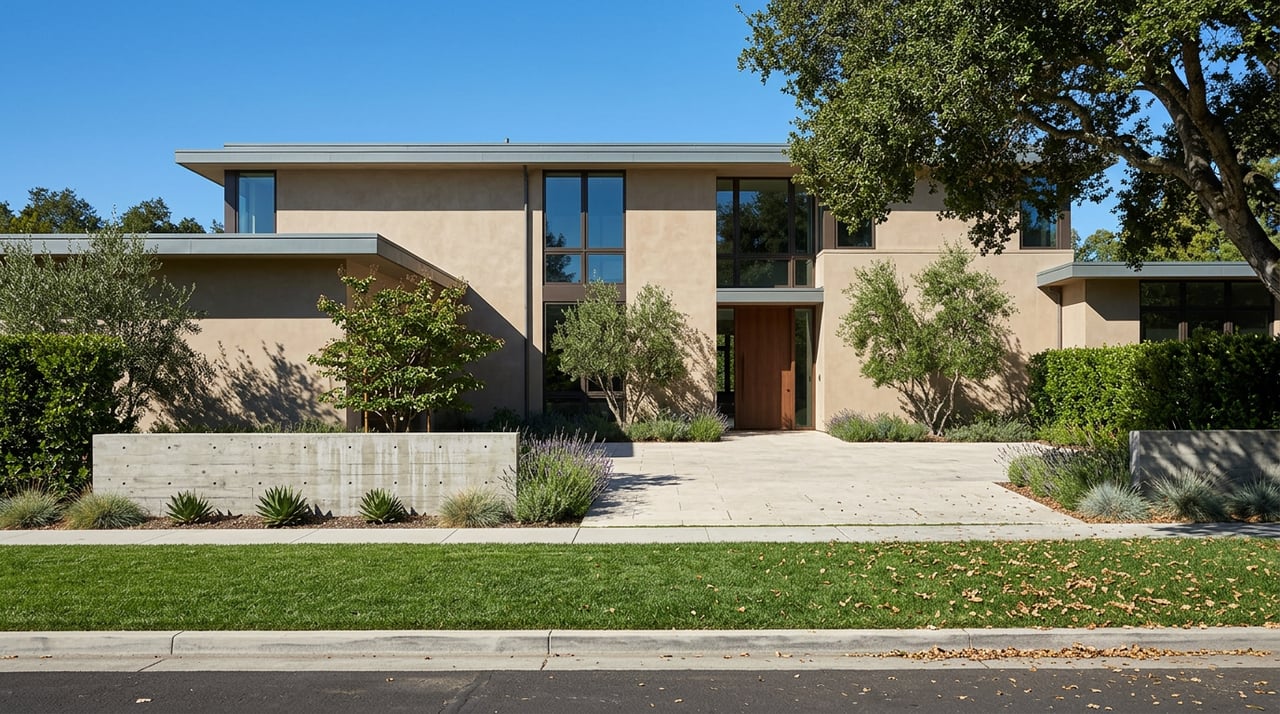
Say you're cross-referencing two Dos Vientos listings on your phone, same neighborhood, same price, roughly the same square footage. One sits in a gated collection with a name like Palermo or Sedona. The other is an older resale a few streets over, maybe with a kitchen that hasn't been touched since the Bush administration. The spreadsheet says they're comparable. The spreadsheet is wrong, and the reason has nothing to do with the kitchen.
It has to do with a line item that never shows up in the listing price: the Mello-Roos assessment attached to the parcel, and how many years are left on the bond that created it.
Every home in Dos Vientos carries one, but not the same one
Dos Vientos is the master-planned community that fills the southern half of Newbury Park, roughly 4,000 homes across 25-plus tracts south of the 101, built out in four distinct phases since 1992 by a rotating cast of national builders: Lennar and KB Home in the earliest tracts, Pulte and Toll Brothers as the community pushed north through the late 1990s and 2000s, and Toll Brothers and Shea Homes carrying the newest hillside phases into 2026. It is the largest single master-planned development in Thousand Oaks, and every home in it, regardless of phase, carries a Community Facilities District special tax authorized under California's 1982 Mello-Roos Community Facilities Act.
That's the part every Dos Vientos buyer eventually learns. What takes longer to sink in is that "Mello-Roos" is not one number. It's a formula tied to when a particular bond was issued and how much of it is still outstanding, and in a community built in four waves over three decades, that formula produces wildly different bills depending on which wave your house happens to sit in.
Phase 1 homes, built between 1992 and 1998, are the community's original entry point: 2,200 to 3,500 square feet on 5,000 to 7,000 square-foot lots, typically selling in the $1.0 million to $1.4 million range today. Many of their bonds are near or past payoff, which means some Phase 1 owners carry a Mello-Roos bill under $800 a year. Phase 4, the current build-out running from 2019 into 2026 with Toll Brothers and Lennar closing homes on premium hillside lots this year, runs 4,500 to 6,500 square feet, prices $1.7 million to $2.6 million (some custom homes over $3.0 million), and carries an annual assessment of $2,500 to $4,500, with 35 to 40 years still left on the bond. Phase 2 and Phase 3, built through the 2000s and 2010s by Pulte, Toll Brothers, and Shea, land in between, typically $1,500 to $2,800 a year with 15 to 25 years remaining.
| Phase | Built | Builders | Typical size | Sale price range | Mello-Roos (annual) | Years remaining |
|---|---|---|---|---|---|---|
| Phase 1 | 1992-1998 | Lennar, KB Home | 2,200-3,500 sq ft | $1.0M-$1.4M | Under $800-$1,500 | Near payoff |
| Phase 2 | 1999-2008 | Lennar, Pulte, Toll Brothers | 3,000-4,500 sq ft | Varies by tract | $1,500-$2,800 | 15-25 years |
| Phase 3 | 2009-2018 | Toll Brothers, Shea Homes | 3,800-5,500 sq ft | $1.4M-$2.1M | $1,500-$2,800 | 15-25 years |
| Phase 4 | 2019-2026 | Toll Brothers, Lennar | 4,500-6,500 sq ft | $1.7M-$3.0M+ | $2,500-$4,500 | 35-40 years |
That's a spread of roughly $3,700 a year between the cheapest and most expensive Mello-Roos bill in the same zip code, on top of an HOA gap that runs the same direction: dues in the older Phase 1 and Phase 2 tracts typically run $150 to $250 a month, while the newest gated Phase 3 and Phase 4 collections, the ones with names like Sedona, Palermo, and Villa Serrano on the gate, run $300 to $400. Stack the two together and you're looking at a combined swing that can approach $5,500 to $6,000 a year, roughly $450 to $500 a month, that has nothing to do with your loan amount or your interest rate.
Why the years remaining matter more than the annual figure
A Mello-Roos assessment is a parcel-based special tax, not a percentage of your home's value, which means it doesn't shrink the way your Prop 13 base rate effectively does relative to a rising sale price. It's secured by a lien on the property that sits senior to your mortgage, and it typically escalates by a fixed percentage, often around 2 percent a year, until the bond that created it is retired. That's why the years remaining tell you more than the dollar figure alone. A $2,500 assessment with six years left is a rounding error by the time you sell. A $2,500 assessment with 35 years left is a cost that will still be on the tax bill sometime in the 2060s, and it's the number the next buyer will run against your home too.
The City of Thousand Oaks maintains its own list of active Community Facilities Districts, a reminder that Dos Vientos isn't the only pocket of the city carrying this kind of financing. Bonds issued after 1993 require annual fiscal-status reporting to the California Debt and Investment Advisory Commission by October 30 each year, which is one more paper trail worth knowing exists if you want to verify a district's standing before you write an offer.
The paperwork that proves the number, not the brochure
None of this shows up on a portal search filter. It shows up on three specific documents, and the due diligence sequence is the same one experienced buyers run on any CFD purchase:
- Pull the seller's actual, current secured property tax bill and find the CFD line item, not an estimate from a listing sheet.
- Review the preliminary title report for a recorded Notice of Special Tax Lien, which states the current amount, the authorized maximum, and the term.
- Ask for the district's rate-and-method-of-apportionment document if you want the exact escalation schedule rather than a general range.
The disclosure gap is real. Not every seller, listing agent, or even lender surfaces the Mello-Roos figure early in a transaction, and the more common failure point is underwriting, where a lender runs the actual number against your debt-to-income ratio for the first time. A Mello-Roos payment counts in that ratio exactly like your mortgage payment, property tax, and HOA dues. Confirming the number before you write an offer, rather than during your loan's final underwriting review, is the difference between a smooth close and a stressful one.
It's also worth knowing that a portion of Mello-Roos can be deductible if the assessment funds ongoing maintenance or services rather than original construction, per IRS guidance, though the burden falls on the taxpayer to document the split, and the 2026 SALT cap increase to $40,000 means more California homeowners may see some benefit than under the old $10,000 cap. It's a conversation worth having with a tax professional, not an assumption to build into your budget.
What this means if you're comparing two listings side by side
If you're weighing a move-in-ready Phase 4 estate against an older Phase 1 or Phase 2 resale that needs updating, the honest comparison isn't list price against list price. It's all-in monthly cost against all-in monthly cost, factoring in the Mello-Roos figure, the HOA dues, and how many years of that special tax you're actually signing up to carry. A renovation budget on an older home is a cost you control and eventually stop paying. A 35 to 40-year assessment on a newer Phase 4 home is a cost you don't control and won't stop paying until the bond matures, sometime in the 2060s depending on the exact tract.
Neither answer is wrong. Buyers regularly choose the newer phase for the finish level, the smart-home wiring, and the shorter list of near-term maintenance items, and that's a completely reasonable trade. The mistake is not knowing you're making it.
A few things worth confirming before you make an offer:
- What is the exact current Mello-Roos amount on this specific parcel, not a phase-wide range?
- How many years remain on the bond, and is there a maximum authorized tax above the current one?
- What are the current HOA dues for this specific tract, and what's the reserve fund status?
- Does the annual escalator apply, and if so, at what rate?
Ventura County property tax bills, including any CFD line items, go out in two installments each year, with the first due by November 1 and becoming delinquent after December 10, so buyers closing in the fall should confirm which installments the seller has already paid before escrow closes.
A short FAQ
Does Mello-Roos ever go away? Yes, once the bond is retired, which is typically 20 to 40 years from issuance, though some CFDs continue collecting a smaller amount for ongoing maintenance after the original debt is paid off.
Is every home in Dos Vientos affected the same way? No. The phase and the specific tract determine the amount and the years remaining, which is exactly why two similarly priced homes can carry very different bills.
Can I negotiate the Mello-Roos amount down? No. It's a fixed, recorded special tax tied to the parcel, not something a seller can adjust. What you can negotiate is the purchase price, with the assessment factored into your total cost comparison.
Comparing homes across Dos Vientos phases means comparing more than square footage and finish level. It means reading the actual tax bill, not the range on a brochure. That kind of comparison is exactly where a background in both real estate and mortgage lending earns its keep, and it's the kind of question the Shari Schiff Team walks Conejo Valley buyers through before they ever write an offer. If you're weighing a specific Dos Vientos listing, or wondering what your current home would need to sell for to make the move pencil out, reach out to request your complimentary home valuation and a phase-by-phase breakdown of what you'd actually be signing up to pay.