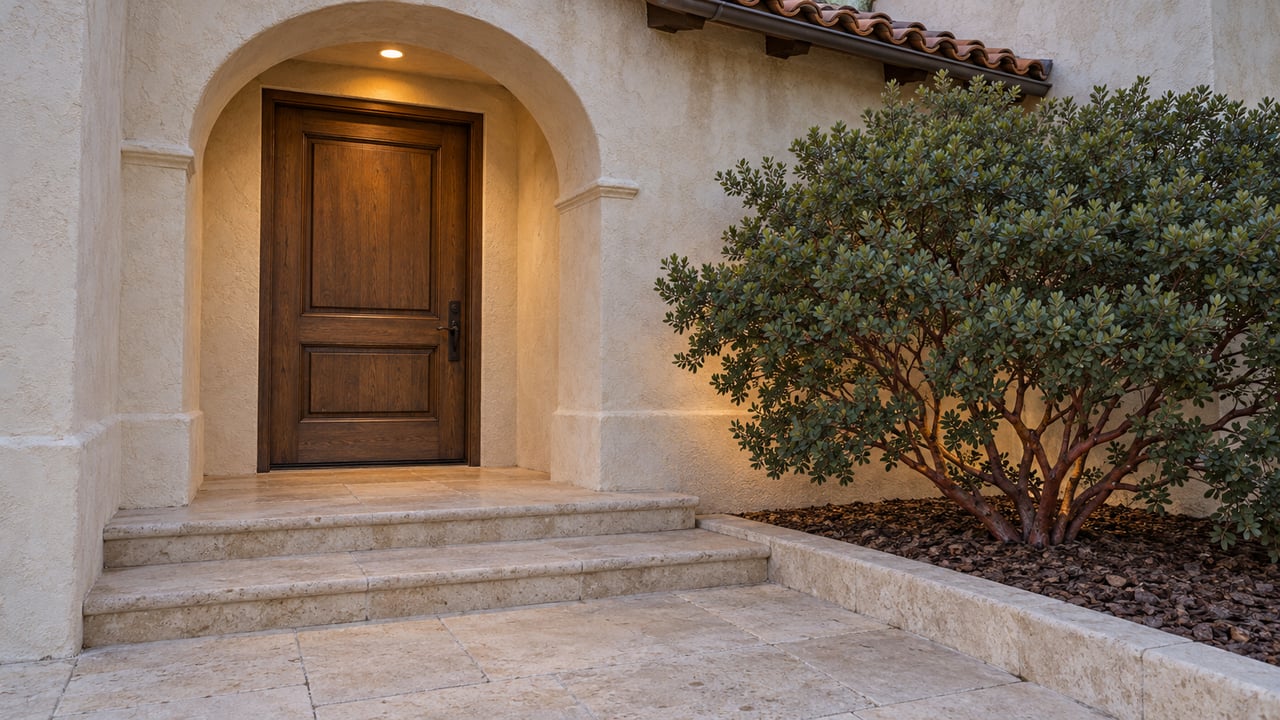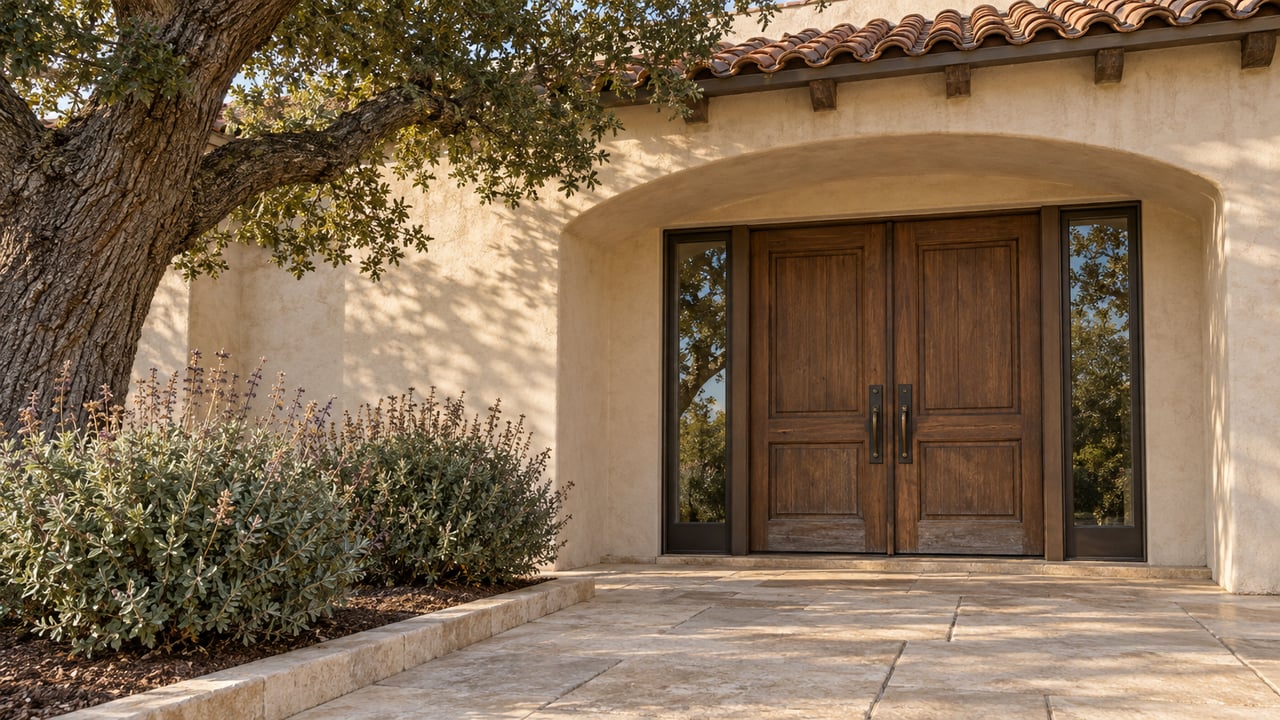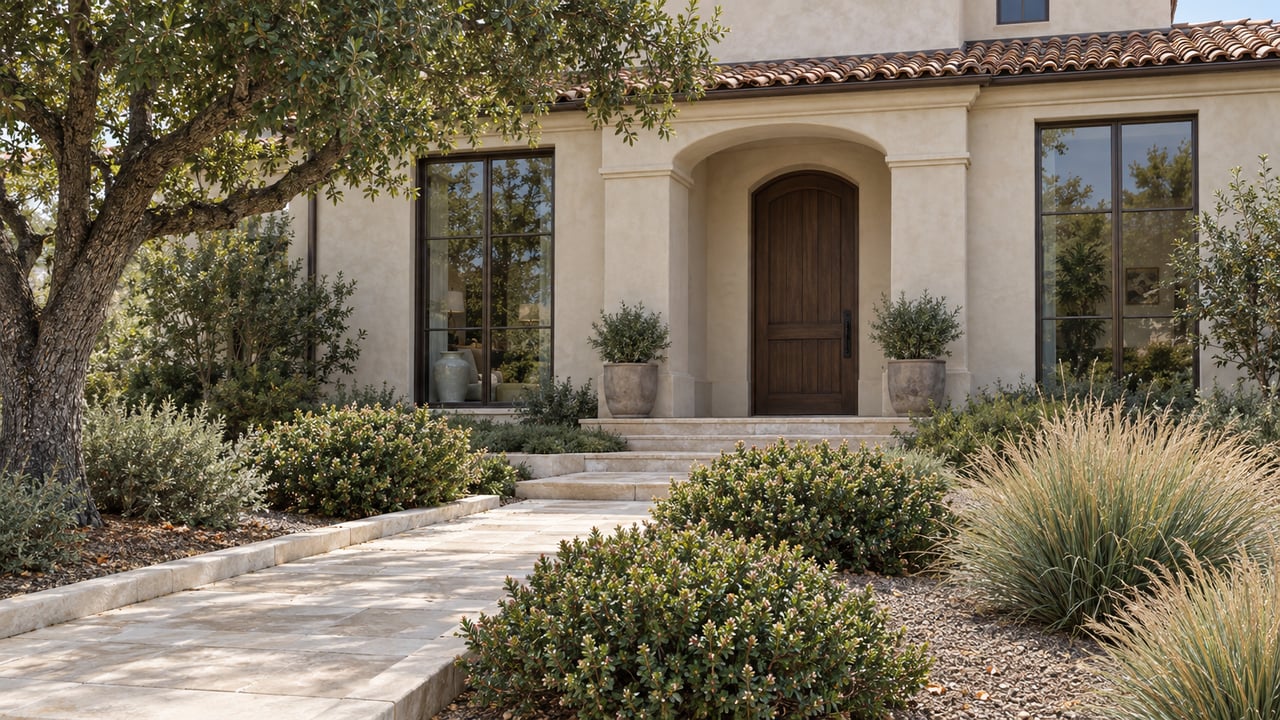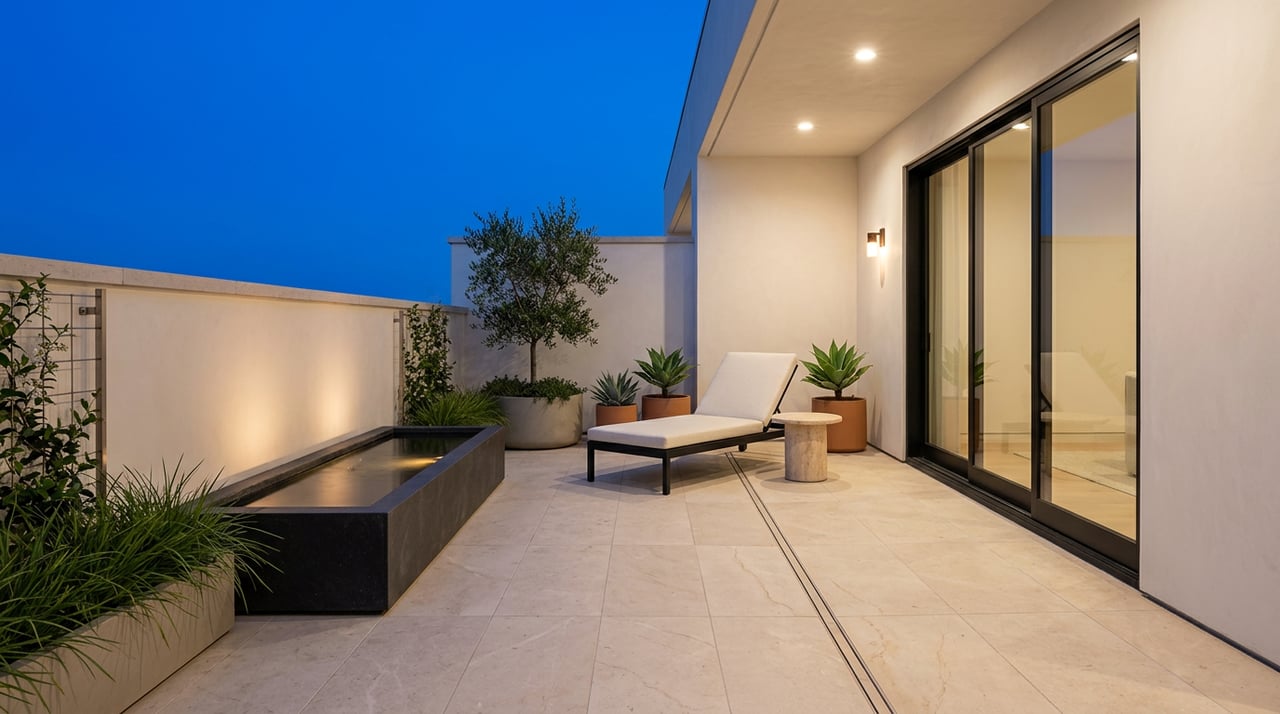
Wondering whether a Santa Monica condo or a single-family house is the smarter move for your next chapter? You’re not alone. This market offers iconic coastal living with real city convenience, but each property type comes with different costs, rules, and financing paths. In this guide, you’ll learn how HOA dues, taxes, insurance, lending limits, and local regulations shape your total cost and lifestyle so you can choose with confidence. Let’s dive in.
Quick market reality check
Santa Monica offers a wide spread of options, from compact condos near the beach to larger single-family homes on tree-lined streets. Citywide medians often sit in the mid to high seven figures, and prices can shift quickly by micro-location and property type. Condos usually trade at a lower entry price than single-family homes, while houses command a premium for land, privacy, and control. The takeaway: start with a clear budget and be ready to weigh lifestyle tradeoffs block by block.
Condo vs. house: what you trade
Condos: core benefits
- Lower day-to-day maintenance since the HOA handles exterior, roof, landscaping, and many building systems.
- Access to shared amenities like pools, fitness rooms, and concierge-level services that are costly to replicate in a house.
- Often closer to the beach, dining, and transit hubs for easy, low-maintenance living.
Condos: key considerations
- Monthly HOA dues plus potential special assessments that can rise over time.
- Less privacy due to shared walls, floors, and common areas.
- HOA rules on pets, renovations, and rentals, and the risk that poor HOA financials or litigation can limit financing options.
Single-family homes: core benefits
- More space, privacy, and control of both interior and exterior use, often including yards or room for an ADU (subject to permits and zoning).
- No monthly HOA dues in many neighborhoods, and more flexibility for remodeling.
Single-family homes: key considerations
- All maintenance is on you, from roof to fencing to landscaping. A common planning rule is to reserve about 1 percent of the home’s value annually for upkeep, though actual costs vary.
- Higher purchase prices often push buyers into larger loan amounts. If the loan exceeds local conforming limits, expect jumbo underwriting.
Cost of owning in Santa Monica
Property taxes: how to budget
California’s Proposition 13 sets a base property tax rate of 1.0 percent of assessed value. In Los Angeles County, local bonds and assessments typically bring the effective rate to around 1.1 to 1.3 percent, depending on the parcel. For accurate planning, review the parcel’s effective rate with the county before you finalize your budget. You can learn more from the county’s overview of secured property taxes at the Los Angeles County Treasurer and Tax Collector website.
- See property tax basics and bill components: Los Angeles County Treasurer and Tax Collector
HOA dues: what they cover
HOA fees vary widely by building size, age, and amenity level. Smaller, low-amenity buildings may charge a few hundred dollars per month, while full-service or ocean-adjacent buildings can charge well over a thousand. Typical inclusions are exterior upkeep, common-area utilities, building insurance on the structure, landscaping, and amenities. Budget for possible increases and ask about reserve funding and planned projects that could trigger special assessments.
- What HOA dues often include: HomeLight’s guide to HOA fees
Insurance and earthquake coverage
Condo owners generally carry an HO-6 policy for interior finishes, personal property, liability, and loss assessment, while the HOA’s master policy covers the building shell and common areas. Single-family owners need full dwelling coverage for the entire structure. Earthquake damage is not part of standard policies, so many buyers consider coverage through the California Earthquake Authority or private carriers. If you buy a condo, confirm whether the HOA’s master policy has earthquake coverage and what the deductible is, since a large deductible can lead to loss assessments.
- HO‑6 vs HO‑3 basics: Amica’s condo vs homeowners insurance explainer
- Earthquake insurance overview: California Department of Insurance guide
Financing factors that can decide it
Conforming limit vs jumbo loans
For 2026, the Los Angeles County conforming loan limit for a 1‑unit property is $1,249,125. Loans above that amount are considered jumbo, which can bring different underwriting standards such as larger down payment requirements, stronger reserves, and more documentation. Rates and pricing for jumbo loans can vary by lender and market conditions, so plan extra time for approval and compare options early.
- See the official 2026 limits: FHFA county loan limit list
- Jumbo vs conventional differences: Britannica overview
Condo warrantability and project reviews
Many lenders require that a condo project be “warrantable” under Fannie Mae or Freddie Mac standards. Lenders review items like owner-occupancy ratios, HOA delinquencies, reserve funding, insurance coverage and deductibles, pending litigation, and the share of commercial space. If a building is non-warrantable, you may face higher down payment needs or limited loan programs, which can affect both your approval and timeline.
- What lenders check in condo reviews: Condo project review basics
A quick financing checklist
- For condos: request the HOA budget, reserve study, master insurance policy with deductibles, meeting minutes, owner-occupancy percentage, any litigation, and SB 326 status early. Confirm if the project is GSE-approved or if your lender will consider single-unit or non-warrantable options.
- For houses: check whether your projected loan will exceed the conforming limit, then plan for jumbo underwriting if needed. Verify title details, property tax assessments, and permit history.
Local rules that affect use and cost
Short-term rentals
Santa Monica restricts short-term vacation rentals of entire units. Certain home-sharing is allowed when the primary resident remains on site and follows registration and host rules. If rental income is part of your plan, confirm city requirements before you buy.
- Read the city’s overview: Santa Monica Home-Sharing rules
Rent control context
Santa Monica’s Rent Control program covers many units built before April 10, 1979, and some others depending on history. Status varies by property, so verify whether a specific unit is subject to municipal rent control, as that can affect future rent levels and timelines.
- Learn more: Owning Rent‑Controlled Property in Santa Monica
SB 326 balcony and deck inspections
California requires periodic inspections of certain exterior elevated elements in condo communities. These inspections and any follow-up repairs can impact HOA budgets and may lead to special assessments. Ask whether inspections are complete and how the HOA plans to fund any work.
- Overview of SB 326 requirements: AAOA guide
Which fits your plan?
Choose a condo if you want a lower-maintenance lifestyle, value amenities, and prefer a lower entry price point. You accept HOA rules, shared spaces, and dues that can change. You will review warrantability early to protect your financing path.
Choose a single-family home if you value privacy, outdoor space, and control over upgrades. You are comfortable budgeting for maintenance and likely higher price and loan size. You will confirm whether your loan amount triggers jumbo underwriting and plan reserves.
Buyer due-diligence checklist
- Condos: HOA budget and reserve study, master insurance coverage and deductibles, meeting minutes for 12–24 months, owner-occupancy and delinquency rates, any litigation, SB 326 inspection status, parking and rental rules in the CC&Rs, and warrantability status with your lender. Refer to general condo project review standards to understand lender focus: Condo project review basics
- Houses: pest, roof, plumbing, and electrical inspections; permit history for additions or remodels; parcel-level tax details, including any special assessments. See county tax info: LA County Treasurer and Tax Collector
- Financing: verify if your projected loan is conforming or jumbo for 2026 and plan down payment, reserves, and timeline accordingly. Check the LA County limit here: FHFA county loan limit list
Next steps in Santa Monica
- Clarify budget and must-haves: parking, outdoor space, amenities, and proximity to the beach or business corridors.
- Talk to a lender early: confirm whether your target loan sits under the conforming limit and run numbers for both condo and house scenarios.
- For condos: request HOA packets and insurance details before you fall in love with a building to avoid surprises.
- Tour across micro-locations: compare lifestyle, noise, and parking patterns at different times of day. A few blocks can change your experience.
When you are ready to compare real options, lean on a team that blends neighborhood insight with clear financing guidance. Connect with Shari Schiff to map your path to the right Santa Monica address.
FAQs
What is the 2026 conforming loan limit for Los Angeles County?
- For a 1‑unit property, the 2026 conforming limit is $1,249,125. Loans above that amount are typically jumbo and follow different underwriting standards.
How do HOA dues affect the total cost of a Santa Monica condo?
- HOA dues vary by building and amenities and typically cover exterior maintenance, common-area utilities, and the master insurance policy. Budget for possible increases and special assessments, and review reserves and planned projects before you buy.
Do I need earthquake insurance for a Santa Monica home or condo?
- Standard homeowners and condo policies exclude earthquake damage. Many buyers add earthquake coverage through the California Earthquake Authority or private carriers. Confirm any HOA master policy details and consider loss assessment coverage for condos.
Can I use a Santa Monica property for short-term rentals?
- Santa Monica restricts whole-unit short-term rentals. Certain hosted home-sharing is allowed when the primary resident is on site and registered with the city. Verify rules before relying on rental income.
What makes a condo non-warrantable, and why does it matter?
- Factors like low owner-occupancy, high HOA delinquencies, insufficient reserves, pending litigation, or significant commercial space can lead to non-warrantable status. That can limit conventional financing options and may require higher down payments or alternative loan programs.