Imagine waking up to calm water, morning light on the hills, and a short stroll to coffee with a view. If you are drawn to relaxed, outdoorsy living but want suburban comfort, Westlake Lake may be a fit. In this guide, you will learn how lake life works here, from housing types and HOA rules to lake access, insurance, and a smart buyer checklist. Let’s dive in.
Westlake Lake at a glance
Westlake Village sits in the Conejo Valley near the Ventura–Los Angeles county line, with the man‑made Westlake Lake at its center. The community blends single‑family neighborhoods, townhomes, and gated enclaves around the shoreline and village centers. You will find a Mediterranean climate with warm, dry summers and mild, wetter winters that can affect lake levels and landscaping needs. Most daily errands and commutes happen by car, with the 101 Freeway connecting you to the San Fernando Valley and greater Los Angeles.
A day by the lake
Life often revolves around simple routines. Morning walks follow neighborhood sidewalks and portions of the lakeside promenades, with birdlife and shaded loops near community centers. Lunch or dinner often means a short drive to shopping plazas and hotels near the water, where you can find everything from casual to upscale dining. Afternoons invite boating within posted rules, a relaxed shoreline stroll, or time at nearby parks and local clubs.
Homes near the water
You have several options if you want to live close to the lake.
- Lakefront single‑family homes. Many offer direct water frontage and, in some cases, private docks or slips.
- Lake‑view homes. These sit nearby or on elevated streets with views, but not always direct access.
- Townhomes and condos. Often near village centers, they can offer lower‑maintenance living with shared amenities.
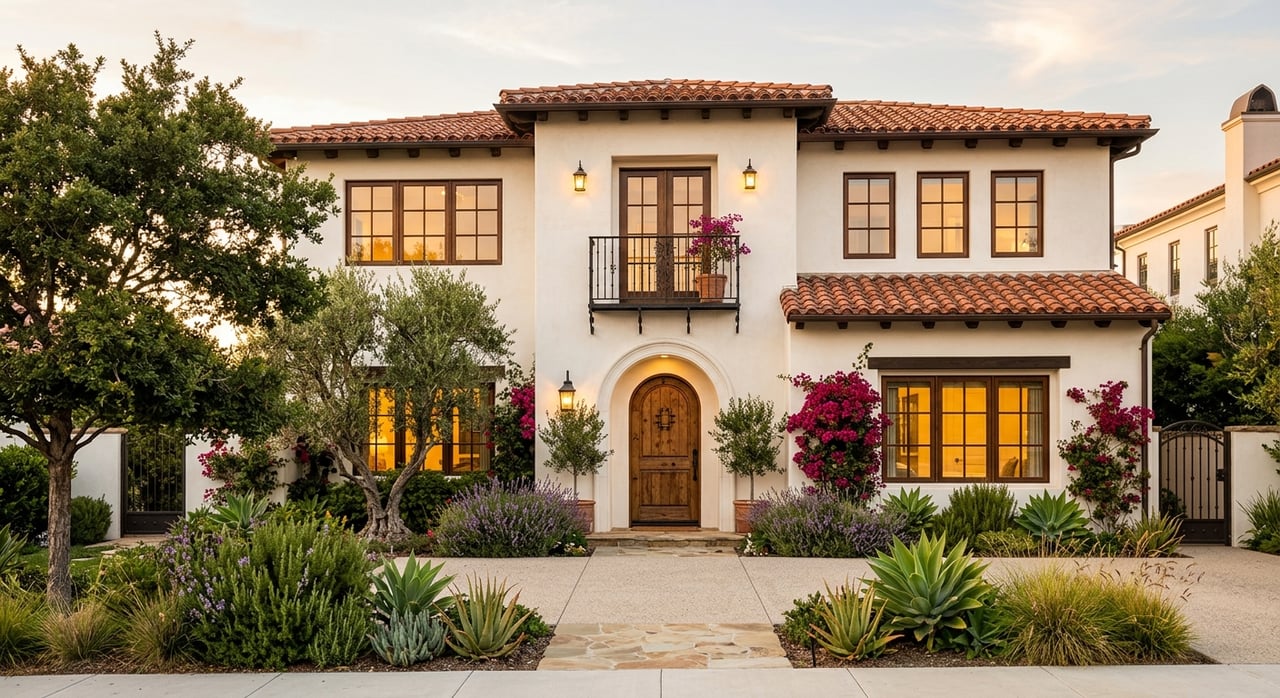
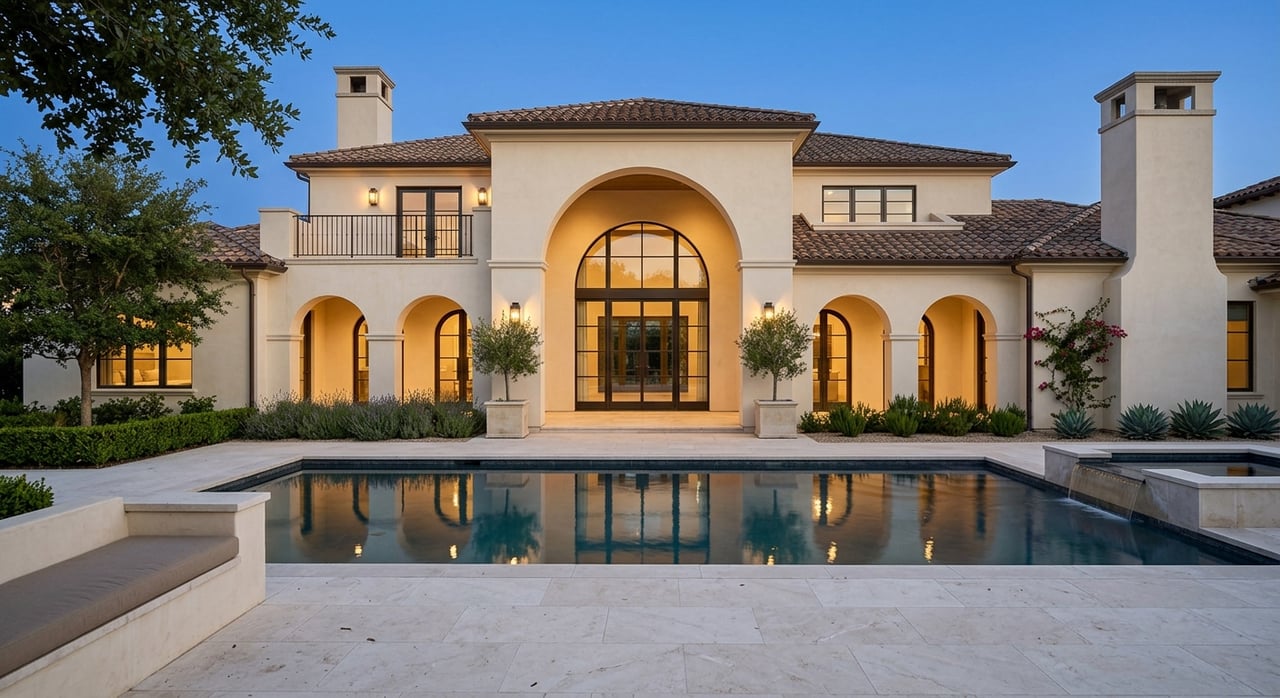
- Gated estates and custom homes. Higher‑end enclaves typically provide larger lots and privacy.
What drives value
Several features shape price and demand. Waterfront and direct access tend to command a premium over similar inland homes. Views, dock or slip rights, lot size, and proximity to community amenities are key value drivers. HOA fees, special assessments, and deed restrictions also influence desirability and long‑term costs.
Who the lake fits
Buyers often include move‑up households seeking a scenic suburban base within reach of Los Angeles. Empty nesters and retirees value low‑maintenance options and amenities. Families may prioritize neighborhood feel and school considerations, though school district boundaries vary by address and should be verified.
HOA and access essentials
Westlake Lake is privately or quasi‑privately managed, and access to the water is controlled. Not every nearby property includes lake rights, and some require separate memberships, permits, or waitlists for docks and slips. Many neighborhoods are governed by homeowners associations that set rules for exterior changes, landscaping, parking, and the use of shared amenities.
What lake access means
“Lake access” can range from deeded dock rights to shared association facilities or limited guest use. Ask whether a property includes a private dock, a slip, or only community access. Confirm any fees, required permits or decals, and whether there is a waitlist. Review HOA documents, rules, and meeting minutes before you make an offer.
Rules and permits to expect
Most lake rules aim to keep the water calm and safe. Typical guidelines address allowed boat types, speed limits and no‑wake zones, noise rules, dock and mooring standards, guest policies, and safety equipment. Some associations require proof of insurance, signed waivers, and separate slip or mooring fees.
Insurance and environment
Waterfront homes can have unique insurance needs. Verify FEMA flood zone designations for any address and obtain quotes for homeowners and, if applicable, flood coverage. Shoreline conditions matter too. Seasonal water quality, algae management, dredging schedules, and aeration are handled by lake managers or associations and can impact enjoyment and community costs. During inspections, pay attention to seawalls, retaining structures, docks, and drainage.
Commute and walkability
Most residents rely on private vehicles, and commute times on the 101 Freeway can vary by time of day. Local bus or shuttle options exist but are more limited than in denser urban areas. Walkability improves in pockets near the lake and retail hubs where sidewalks, short loops, and parks are common. Beyond those cores, neighborhoods feel more suburban and car‑dependent.
Smart buyer checklist
Use this quick list to stay focused while touring.
- Access and rights. Is the lake public or privately managed, and what access comes with the home?
- Dock and slip details. Does the property include a dock or slip, or is access shared or waitlisted?
- HOA fees and health. What are the monthly dues, reserves, and any pending or recent special assessments?
- Rental rules. Are short‑term or long‑term rentals restricted by the HOA or lake association?
- Commute and daily life. How will your work, school, and errands fit the location and walkability?
- Insurance. Check FEMA flood zone status and get insurance quotes early in the process.
- Shoreline condition. Inspect docks, moorings, retaining walls, and drainage for wear or erosion.
- Utilities. Confirm available internet, power, water, and service providers at the address.
- Documents. Obtain the full HOA packet, CC&Rs, bylaws, financials, reserve study, meeting minutes, and lake rules.
Red flags to watch
Stay alert for issues that can affect value and enjoyment.
- Unclear access. Ambiguity around lake rights, slip availability, or guest policies.
- Financial strain. Low HOA reserves or repeated special assessments without a clear plan.
- Environmental concerns. Chronic algae or odor issues, shoreline instability, or deferred maintenance.
- Legal or rule complexity. Ongoing association litigation, strict rental prohibitions, or complex boating limits that do not fit your lifestyle.
Lake vs inland trade‑offs
Lakeside living often delivers scenic views, easy walks, and water activities. In return, you should plan for HOA rules, potential access restrictions, and added costs like slip fees or higher insurance. Inland neighborhoods nearby can feel similar without lake premiums and may offer more flexibility on rules, though you give up water proximity. The right choice depends on how much you value the lake experience in your daily routine.
Work with a local guide
Buying by the lake is part lifestyle, part logistics. You want clarity on access rights, HOA health, and shoreline condition, plus a plan for insurance and financing. The Shari Schiff Team pairs local knowledge with transaction and mortgage fluency to help you evaluate lake benefits, read the fine print, and compete with confidence. When you are ready to talk strategy or pricing, connect with Shari Schiff. Request your complimentary home valuation.
FAQs
What is unique about living by Westlake Lake?
- You get scenic views and water‑oriented recreation, with HOA and lake rules that shape how you use docks, boats, and shared areas.
How do HOAs affect day‑to‑day lake living?
- HOAs set CC&Rs, manage shared amenities, collect dues, and enforce rules that can cover exterior changes, parking, rentals, and lake use.
Do lakefront homes require flood insurance in Westlake Village?
- It depends on FEMA flood zone status and lender requirements, so verify the property’s designation and get quotes before you buy.
Can you keep a boat on Westlake Lake?
- Many associations allow certain boat types with registration or decals, while restricting others, so confirm rules, permits, and slip availability.
Are pets allowed on lakeside paths and parks?
- Pet access follows local rules and leash laws that can vary by area or association, so check HOA and city guidelines.
What should inspections cover for a lakefront home?
- Include docks, moorings, retaining walls, shoreline stability, and drainage, along with standard property systems and HOA documents.